
Person A: “Why was he appointed as a new Director? Is he really the right candidate for the job?”
Person B: “You know, he’s been with us for a very long time, he’s really trying hard, and it’s about time he gets one of these awards for his efforts.”
A few years ago I read a book by Robert M. McManus and Gamma Perruci entitled Understanding Leadership. It is a scholarly work in which these two academics offer insights into leadership across cultures. They describe leadership in Western culture with the following appendix: leadership as reward. The above conversation, which I recently witnessed, really illustrated that point.
A worker, a better worker, the best worker, a leader. Does this sound familiar or even something of a rule? Or an ideal career development. However, leadership is a specifivally defined role. When we sesrch for a teacher, we expect pedagogical skills and subject-specific knowledge of a content of a subject, e.g. mathematics, history and so on. When we look for a doctor, we expect specific knowledge in the field of medicine. When we look for a manager and a leader … Does a manager need to understand how a company works and how to design the systems that need to constitute an organisation and that an organisation needs? Does a leader need knowledge of motivation and wider psychology, an ability to motivate colleagues at work, an ability to inspire responsible work, an ability to build commitment and good relationships?
Leadership is mainly not understood in this way. All entries below, together with the accompanying photographs (all sourced from aforementioned book, fully titled Understanding Leadership: Arts and Humanities Perspective), represent the mindsets that are dominant elsewhere in the world.
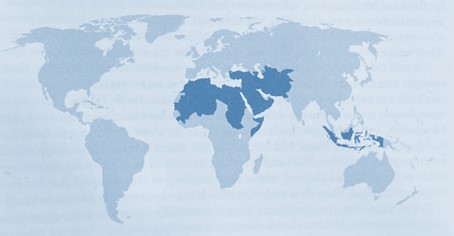
The images below are mostly works of art. While the images of geographical spread of each mentality have been adapted into a distinctive style of Paradim websites, those others are presented in their original form.
Leadership in Western culture: leadership as reward
A prudent man must always follow the path paved by great men and emulate the greatest. Even if he does not fully attain their greatness, he will at least attain some shade of it. [Niccolo Machiavelli]

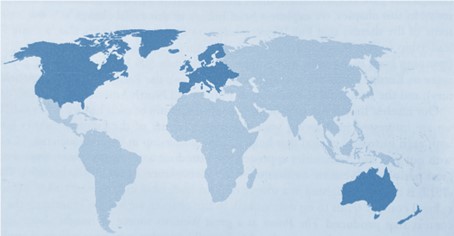
Leadership in Latin American culture: leadership as a natural order
Whether you are guilty or innocent is irrelevant, General. What counts is whether you have the President’s goodwill. [Miguel Angel Asturias]
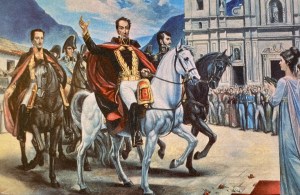

Leadership is Russian culture: leadership as duty
Russia) is an enigma wrapped in mystery, within an enigma. [Winston Churchill]

Leadership in Islamic culture: leadership as trust
On any given journey a leader of people is their servant. [Mohamed]
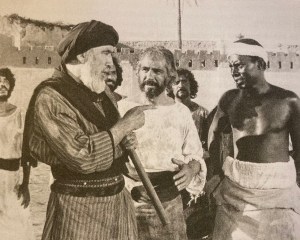
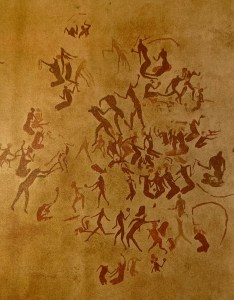
Leadership in African culture: leading through ubuntu (=humanity)
Human being is a human being because of other people. [African proverb]

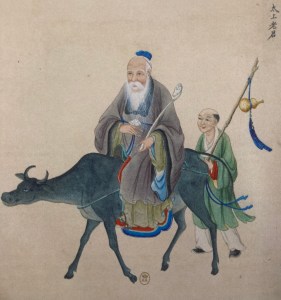
Leadership in Daoist thought: leadership as service
The best leaders are the ones people hardly know exist. When they finish their work, others say, “Amazing: we did it, all by ourselves!” [Lao Tzu]

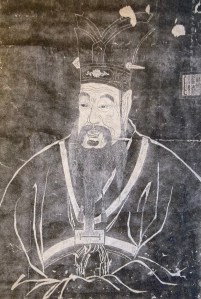
Leadership in Confucianist thought: leadership as a collective role
To put the world in order, we must first put the nation in order. To put the nation in order, we must first put the family in order. To put the family in order, we must nurture our personal lives. And to (be able to) nurture our personal life, we must first rightly orient our heart. [Confucius]

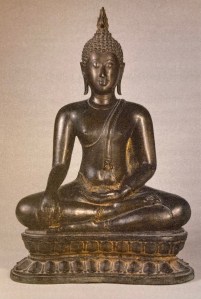
Leadership in Buddhist thought: leadership as a personal journey
It is better to conquer yourself than to win a thousand battles. [Buddha]

 Paradim